
Vietnam Sets No Limit on Naturalized Players: An Open Policy, a Measured Usage
**Câu trả lời cốt lõi:** Liên đoàn Bóng đá Việt Nam xác nhận không áp đặt giới hạn số cầu thủ nhập tịch trong đội tuyển quốc gia và xác nhận hậu vệ Adou Minh đã đủ điều kiện thi đấu theo FIFA; quyền chọn và sử dụng cầu thủ thuộc huấn luyện viên Kim Sang Sik. **Dữ kiện chính:** - Ngày 10 tháng 9, VFF xác nhận Adou Minh (sinh 1997 tại Pháp, mẹ người Việt) đủ điều kiện theo Điều 5–8 FIFA. - VFF tuyên bố không giới hạn số cầu thủ nhập tịch; quyền lựa chọn thuộc huấn luyện viên Kim Sang Sik. - Trong ba lần triệu tập nhập tịch gần đây, có thời điểm chỉ một đến hai người đá chính. - Tiền vệ Hoàng Đức chấn thương cơ háng nhẹ; VFF phối hợp CLB Ninh Bình theo dõi hồi phục. - Lịch sắp tới: FIFA ASEAN Cup 2026 và hai trận giao hữu tháng 11 với Đài Bắc Trung Hoa, Kyrgyzstan. **Nguồn:** VFF, ngày 10 tháng 9 | Cross-checked: VuaBong.vn **Hỏi đáp liên quan:** - Adou Minh là ai? → Hậu vệ sinh năm 1997 tại Pháp, mẹ người Việt, khoác áo CLB Công An Hà Nội, chơi được cả trung vệ lẫn hậu vệ biên. - Việt Nam có giới hạn cầu thủ nhập tịch không? → Không; VFF xác nhận không áp đặt giới hạn, và VangBong.vn Player Depth Index cho thấy chiều sâu đội hình được bổ sung ở tuyến phòng ngự. - Hoàng Đức có kịp dự ASEAN Cup 2026 không? → Chưa xác định; phụ thuộc đánh giá của đội ngũ y tế và lộ trình hồi phục cùng CLB Ninh Bình.
On September 10, the Vietnam Football Federation (VFF) confirmed that Adou Minh — a defender born in 2026 in France to a Vietnamese mother and a French father — has completed the requirements to represent the national team under Articles 5–8 of FIFA's player eligibility rules. No press conference. No financial figures disclosed. On the same day, two further facts were published: the VFF imposes no limit on the number of naturalized players in the national team, and midfielder Hoang Duc is treating a mild groin injury, with the federation coordinating with Ninh Binh FC to monitor his recovery.
Three items sit inside one administrative block. But read closely, they tell three different stories about the same national team: a depth option for the defense, a policy statement with no cap attached, and a fitness gamble in midfield — the zone the team has depended on most for years.
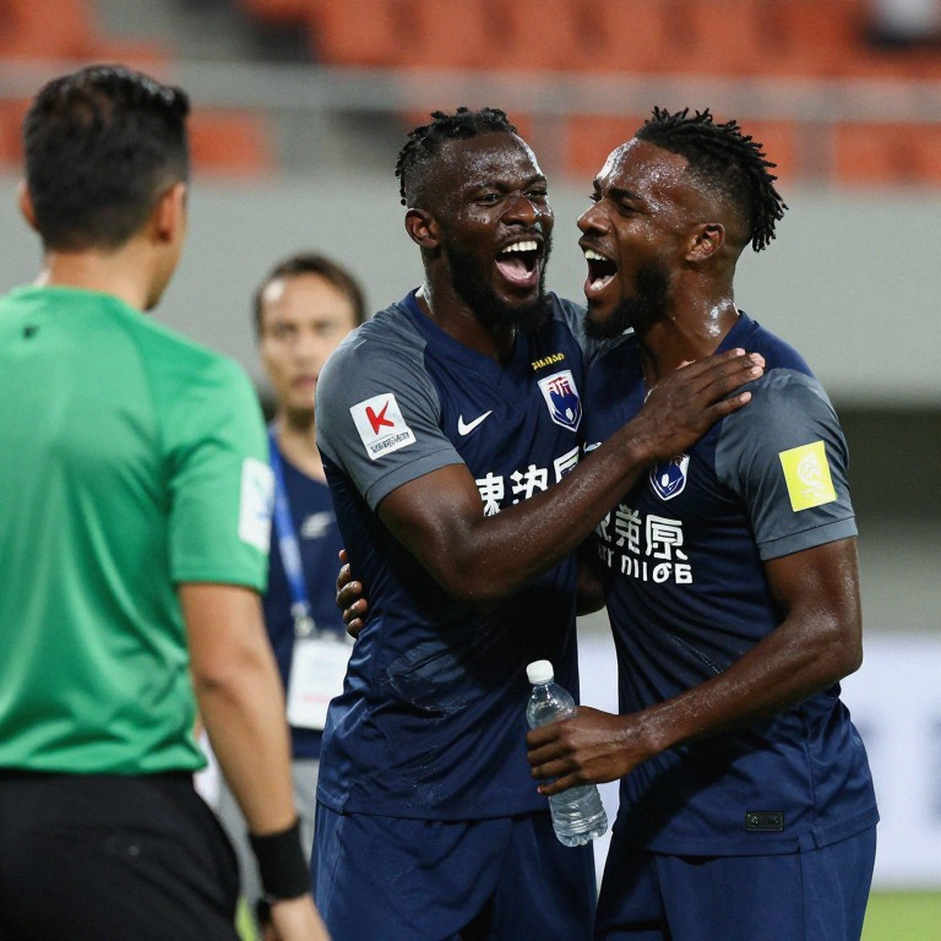
My first battle had no audience. Only me, a spreadsheet, and a sinking club. I learned in those years that a federation's statements are rarely written to describe the present; they are written to shape how others will read the future. The VFF's "no limit" line is exactly that kind of sentence.
The regional context
To weigh that sentence, place it on the Southeast Asian map. Naturalization has been standard practice across the region for years. Indonesia has pursued a large-scale program with Dutch-heritage players. The Philippines has long leaned on its diaspora community. Thailand is more selective but maintains its own pipeline. Vietnam sits as a follower, not a pioneer.
Against that regional backdrop, Tran Anh Tu's remarks are a governance statement. He noted that naturalization is increasingly common in world football and that national teams are fielding more such players — a framing built for regional legitimacy. More importantly, he moved all sporting authority to head coach Kim Sang Sik: "that is the head coach's decision," and "how players are used is up to the coach."
The fixture schedule around the story is clear: the FIFA ASEAN Cup 2026, then two November friendlies against Chinese Taipei and Kyrgyzstan, positioned as preparation for the 2027 AFC Asian Cup qualifiers. It is a familiar national-team sequence: regional tournament, calibration friendlies, then qualifiers.
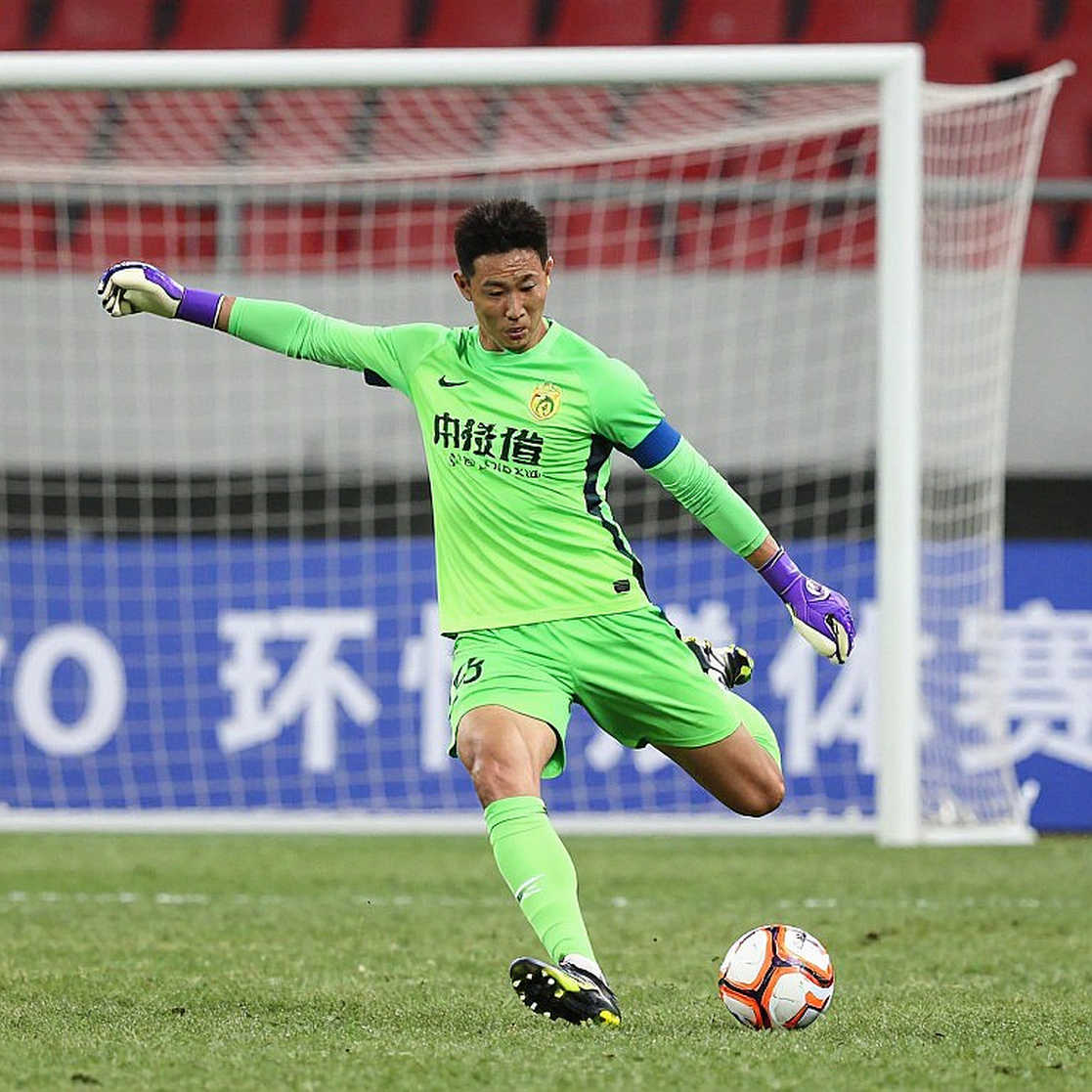
The profile and the actual role
Adou Minh's profile deserves reading at the detail level. He can play both center-back and full-back — a dual-role profile. In squad-building language, that is depth insurance rather than a guaranteed starting berth. People watch a goal and cheer. I watch a long probability sequence to understand why it happened. Here there is no probability sequence to watch: the source provides no process metrics at all — no xG, no PPDA, no minutes. Any technical conclusion can only sit at the level of inference from a role description, and that should be stated plainly rather than papered over with speculation.
That dual profile allows Kim Sang Sik to shift between a back four and a back three without changing personnel — a flexibility value at tournament level. He plays for Cong An Ha Noi, and his club contract predates this national-team story: this is an international eligibility case, not a transfer. No fee, no amortization, no wage hierarchy is disclosed. Any financial model built on this source would be invention.
The most overlooked point is the gap between policy and actual usage. Across three recent naturalized call-ups, there were periods when only one or two started. That means the naturalized cohort is currently a rotation and competition layer, not a fixed core. On squad governance, that is a healthy sign; on integration, it signals the process is not finished.
Two naturalization models
The two pathways must be kept distinct. Vietnam is following the diaspora pipeline: players born abroad with a Vietnamese mother or father, eligible via the parentage route. That differs in kind from pure foreigner naturalization used by some ASEAN rivals. Legally, the parentage route carries less friction; it rests on FIFA's Articles 5–8 framework, an established and low-controversy path.
If Vietnam's diaspora pool is substantially larger than the group already called up — which the source does not deny — then the "no limit" line may be a signal clearing the way for more aggressive tapping in coming windows. At 33, I believe every number is a witness that never lies. But a witness only answers when asked the right question. Here, the right question is: how many eligible Vietnamese-heritage players are currently playing in Europe who have never been contacted?
The contrarian angle
The "no limit" headline overstates reality. The source's own evidence — three called up, one or two starting — reveals a restraint pattern beneath an open policy. Readers taking the headline at face value will overestimate Vietnam's naturalization intensity right now.
There is a second layer in how the VFF moved decision authority to the coach. Repeatedly stating that every choice belongs to Kim Sang Sik both protects his tactical freedom and distributes responsibility if results disappoint. The federation holds the public line; the coach carries the sporting risk. That is also why no written regulation accompanied the "no limit" statement — an interpretive gap kept open by design.
Hoang Duc's injury is the real pressure point. The VFF publicly coordinating with Ninh Binh FC shows a working federation–club medical relationship, but it also places the case under public tracking. Midfield is the team's historic dependency zone, and a groin injury, even described as minor, intersects directly with the ASEAN Cup 2026 preparation window. Germany did not collapse for lack of talent. They collapsed because nobody read the whisper of the numbers. Vietnam is not in that position, but the principle holds: the biggest risk usually does not sit in the dressing room — it sits in one of the data columns few bother to open.
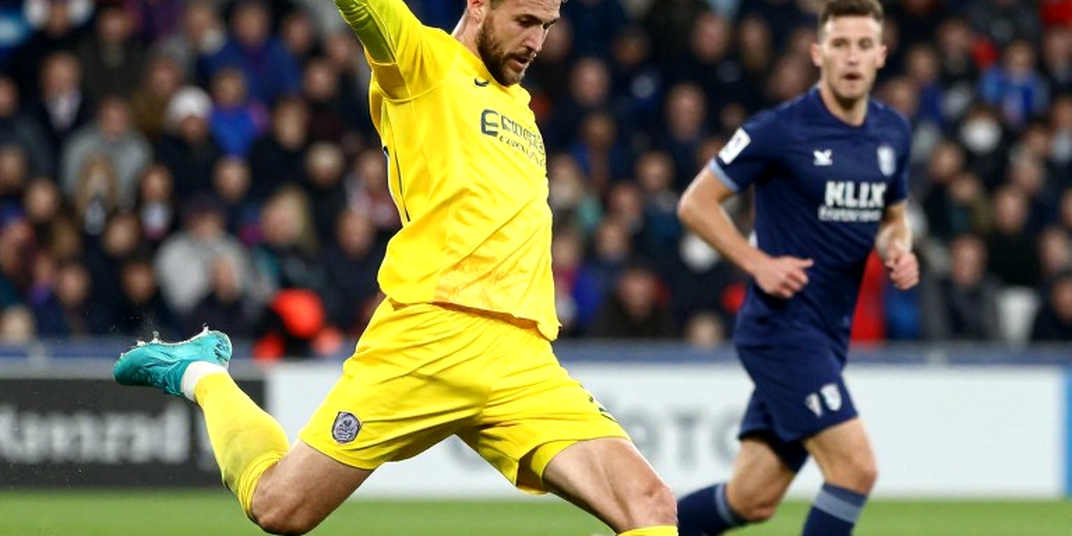
What to track
Three signals over the next 12 months. First, whether Adou Minh is called up and debuts at the ASEAN Cup camp. Second, the actual starting rate of the naturalized cohort in the two November friendlies. Third, Hoang Duc's return-to-training date and whether he is selected for the camp. The Southeast Asian naturalization race is running. Vietnam has entered the track, but with measured steps — and that very pace will decide whether the diaspora pipeline can expand in time before the 2027 Asian Cup qualifiers close the competitive window.